
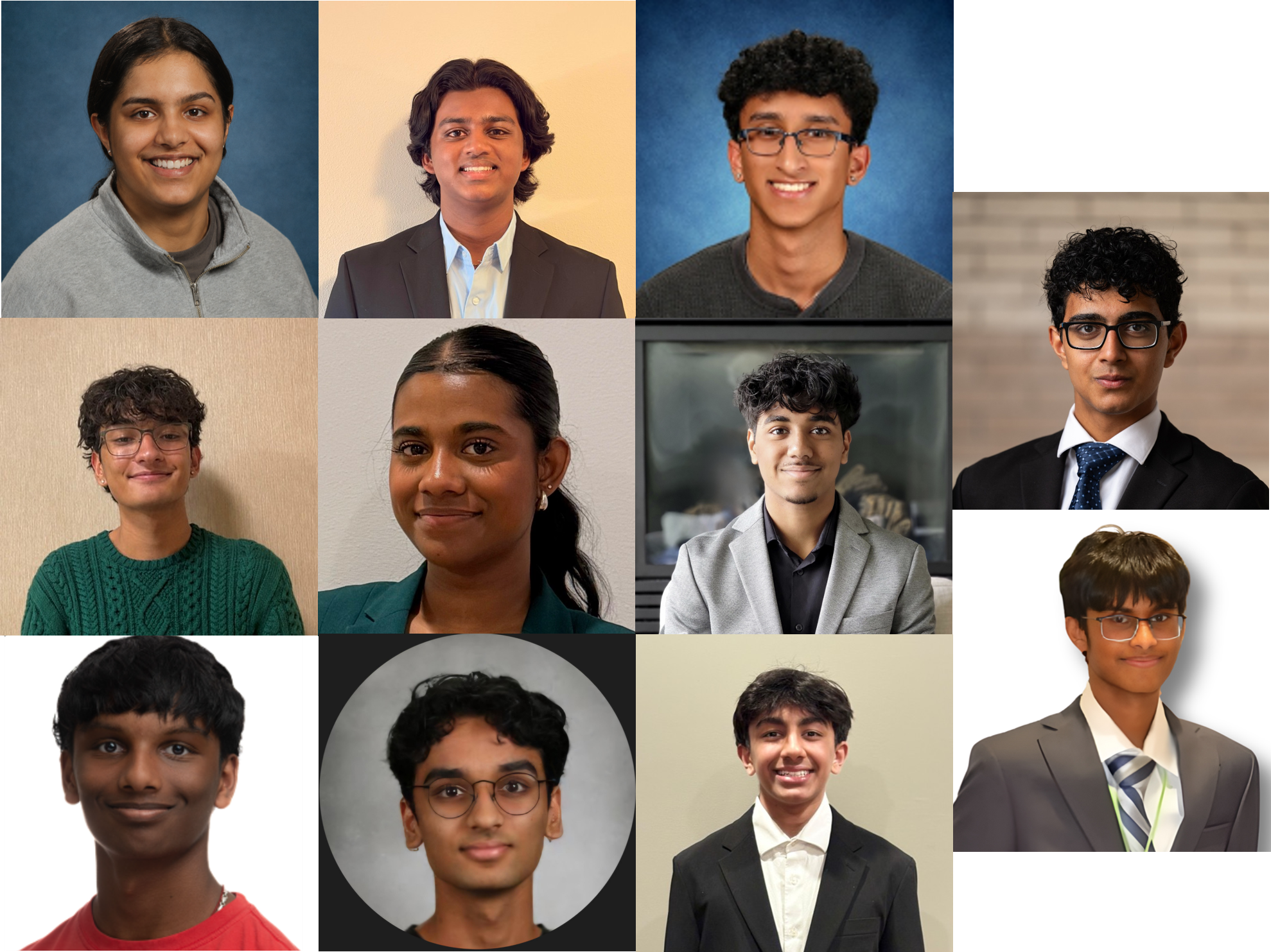
SEATTLE, WA – The Washington State Academy of Sciences (WSAS) is pleased to announce the 2026-27 fellows of the Washington Junior Academy of Science (WAJAS).
“What stood out most was not only the quality of these high school fellows’ research presentations, but also the depth of their questions about what it means to be a scientist,” said Brian French, WSAS board member and chair of the WAJAS selection committee. “Their curiosity, insight, and enthusiasm reminded all of us why investing in the next generation of researchers and leaders matters. “
WAJAS is a WSAS program that recognizes exceptional high school students from across the state for outstanding original scientific research and connects them with the research community in Washington and beyond. Each fellow is mentored by a WSAS member in their field of interest, who offers guidance and encouragement to deepen their scientific understanding, strengthen their research projects, and inform their career plans.
The selection committee was struck by how many of these fellows took on problems with real consequences for people’s health and the environment, like safe drinking water, early disease detection, and oil spill cleanup.
Fellows were publicly honored alongside Washington’s top researchers at the WSAS Annual Celebration on October 8, 2026, where they presented their work as part of a student research showcase.
“WAJAS allowed me to develop an understanding of how researchers in fields that I aspire towards actually think and work.” Said WAJAS Fellow Aashrith Motkuri. “During the innovation showcase, I met numerous, incredibly talented people with amazing ideas and, in the process, learned a lot about how industry and academia bridge together.”

WAJAS fellow speaks to attendees at the 2026 WSAS Celebration
Congratulations to the 2026-27 WAJAS fellows:
Anusha Arora, Interlake High School
HARMONI: Harmonically Adaptive Real-Time Multimodal Output for Neural Integration, an AI-Powered Music Therapy Platform for Global Mental Health
Gavin Montelongo, Sunnyside High School
How do Different Bio-Yarn Weave Patterns Influence the Mechanical Strength, Microbial Adhesion, and Filtration Potential of Plant-Based Scaffolds?
Akshath Motkuri, Richland High School
ArogyaLoka: HealthBridge AI – Empowering Underserved Patients Across the Developing World Through a Multilingual AI-Powered System for Equitable Medical Guidance, Diagnostic Image Support and Health Monitoring
Arjun Natesan, Lewis and Clark High School
sliceGPCR: Predicting Biased Signaling in Drug Targets Using Novel Volumetric Protein Imaging and 3D Convolutional Neural Networks
Omkar Phadnis, Redmond High School
Unified Transcriptomic Melanoma Reference Map Reveals Predictive Molecular Signatures for Patient Prognosis
Aashrith Pisupati, Tesla STEM High School
Cracking the Seizure Code: A Deep Learning Approach to Neonatal Seizure Detection Utilizing Hybrid Architecture for Multi-Scale EEG Analysis
Hamsini Ramanathan, Seattle Academy Arts and Sciences
DreaMS-PFAS: A Novel Transformer-Based Approach for Early Detection of PFAS Contamination in Drinking Water and Environmental Samples
Aarav Shrivastava, Richland High School
Can Machines Evaluate Scientific Truth? Dual-Stream Bayesian Analysis for Automated Claim Verification Across Multiple Domains
Sanjay Srinivasan, Eastlake High School
Polydimethylsiloxane-Coated Polysaccharide Hydrogels for Sustainable Oil Spill Remediation
Anay Tiwari, Interlake High School
Chitoflux: TFF-Optimized Chitosan Media Filtration System for Biofilm and Microplastic Inhibition
Adhrith Vutukuri, Tesla STEM High School
GlueForge: A Generalizable Pipeline for Molecular Glue Discovery via Multi-Stage Screening and Geometry-Aware Ternary Learning, Demonstrated at the FBW7–MYC Interface
Related Posts
October 26, 2026
High school students from across the state were recognized for their outstanding original scientific research.

October 14, 2026
Research and findings focus on measuring and maximizing the value distributed solar and energy storage can deliver for Washington state.
July 16, 2026
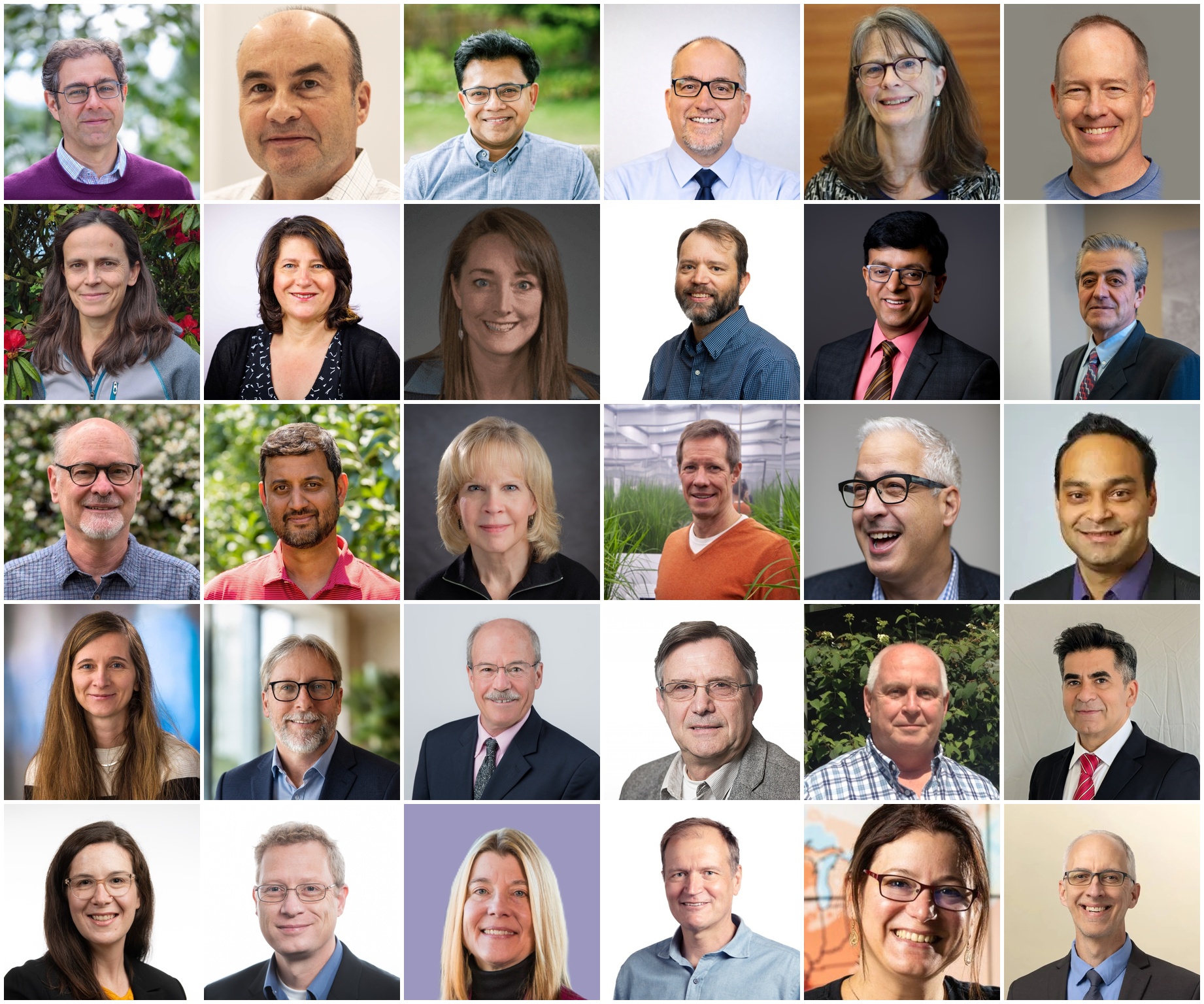
New members were elected in recognition of their scientific achievement and willingness to work on behalf of the Academy for the benefit of Washington state.
