

Fourteen WSAS members were named to Clarivate’s Highly Cited Researchers 2025 list. The list identifies researchers whose work ranks in the top 1% by citations for their field and publication year in the Web of Science citation index, reflecting sustained influence over the past decade.
This year’s list includes 7,131 honorees from more than 1,300 institutions across 60 countries. The 14 WSAS members recognized are among just 2,670 U.S. researchers to appear — a distinction that underscores the depth of scientific talent within our Academy’s membership.
|
David Baker |
For research advancing computational protein design to create novel proteins with therapeutic and industrial applications. |
UW Medicine Institute for Protein Design; HHMI |
|
Kristie Ebi |
For research examining how climate change affects human health, with emphasis on vulnerability, exposure pathways, and adaptation strategies. |
UW School of Public Health |
|
Evan Eichler |
For research mapping human genome evolution and structural variation, illuminating genetic mechanisms underlying disease. |
UW Genome Sciences; HHMI |
|
David Ginger |
For research developing nanomaterials and optoelectronic systems, including materials that improve solar energy conversion. |
UW Chemistry |
|
Christof Koch |
For research investigating the neural mechanisms of consciousness and computational principles of the brain. |
Allen Institute for Brain Science |
|
Janet Jansson |
For research characterizing microbiomes in environmental and human systems, revealing microbial roles in ecosystem and health processes. |
Pacific Northwest National Laboratory |
|
Ruby Leung |
For research improving climate and atmospheric modeling, with focus on hydrology, extreme weather, and Earth system processes. |
Pacific Northwest National Laboratory |
|
Yuehe Lin |
For research creating nanotechnology for biosensing, energy systems, and environmental remediation. |
Pacific Northwest National Laboratory |
|
Marian Neuhouser |
For research analyzing diet, nutrition, and cancer risk, identifying dietary patterns that influence long-term health outcomes. |
Fred Hutch Cancer Center |
|
Jay Shendure |
For research pioneering genome sequencing and functional genomics, enabling new methods for reading and interpreting biological information. |
UW Genome Sciences; HHMI |
|
Chongmin Wang |
For research using advanced electron microscopy to reveal nanoscale behavior of energy materials during operation. |
Pacific Northwest National Laboratory |
|
Jie Xiao |
For research developing next-generation battery chemistries and electrochemical storage technologies for high-performance energy systems. |
Pacific Northwest National Laboratory |
|
Jihui Yang |
For research advancing thermoelectric materials and energy conversion technologies, improving efficiency of heat-to-electricity systems. |
UW Materials Science & Engineering |
|
Hongkui Zeng |
For research mapping brain cell types and neural circuits at large scale to build foundational resources for neuroscience. |
Allen Institute for Brain Science |
Related Posts
March 23, 2026
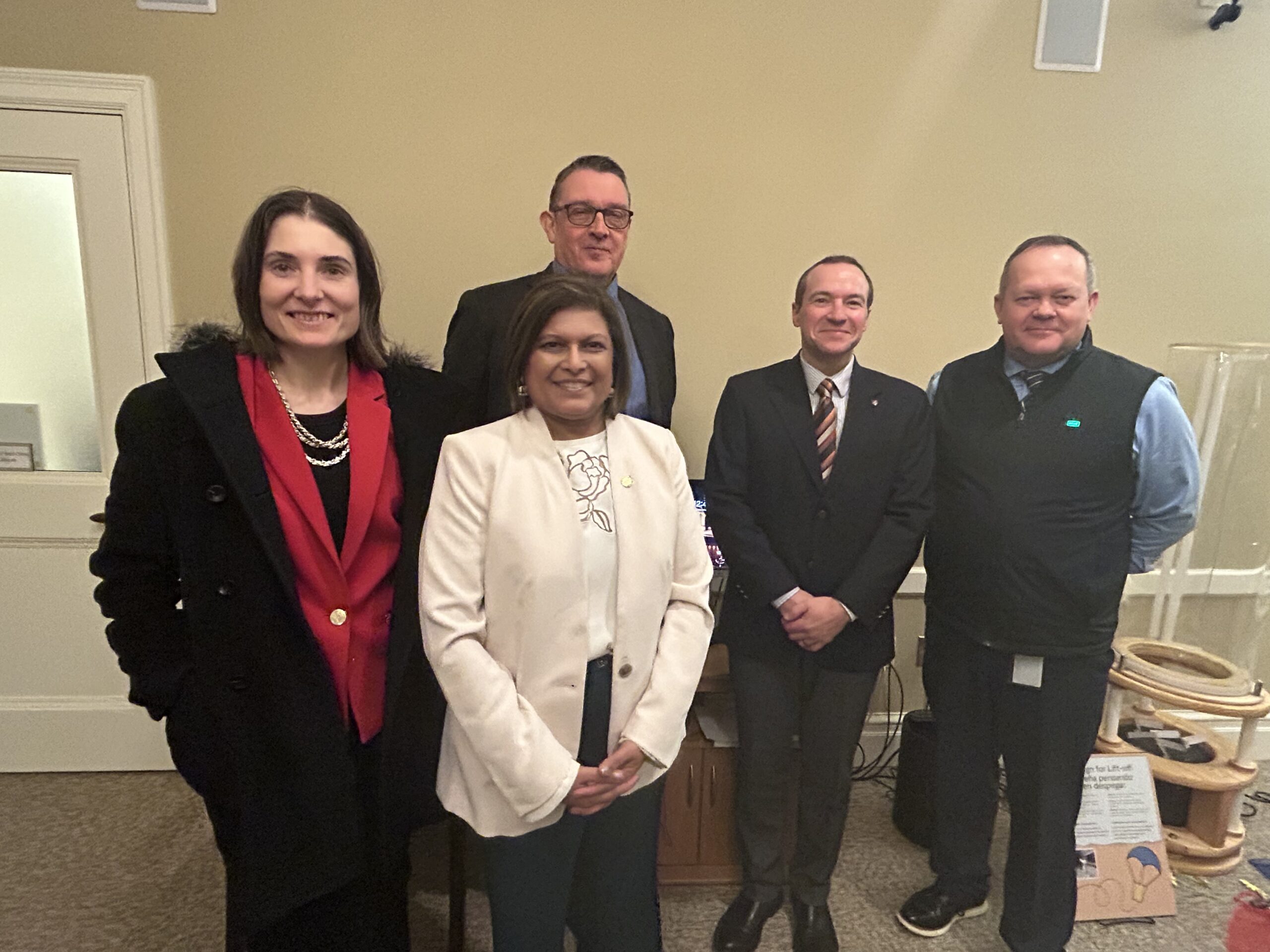
WSAS members Brian French (WSU) and Philip Bell (UW) joined WSAS Executive Director Melanie Roberts in Olympia, alongside presenters from Washington STEM and the Pacific Science Center, to discuss “The Science of STEM Education” with the bipartisan, bicameral ScITech Caucus.
January 23, 2026
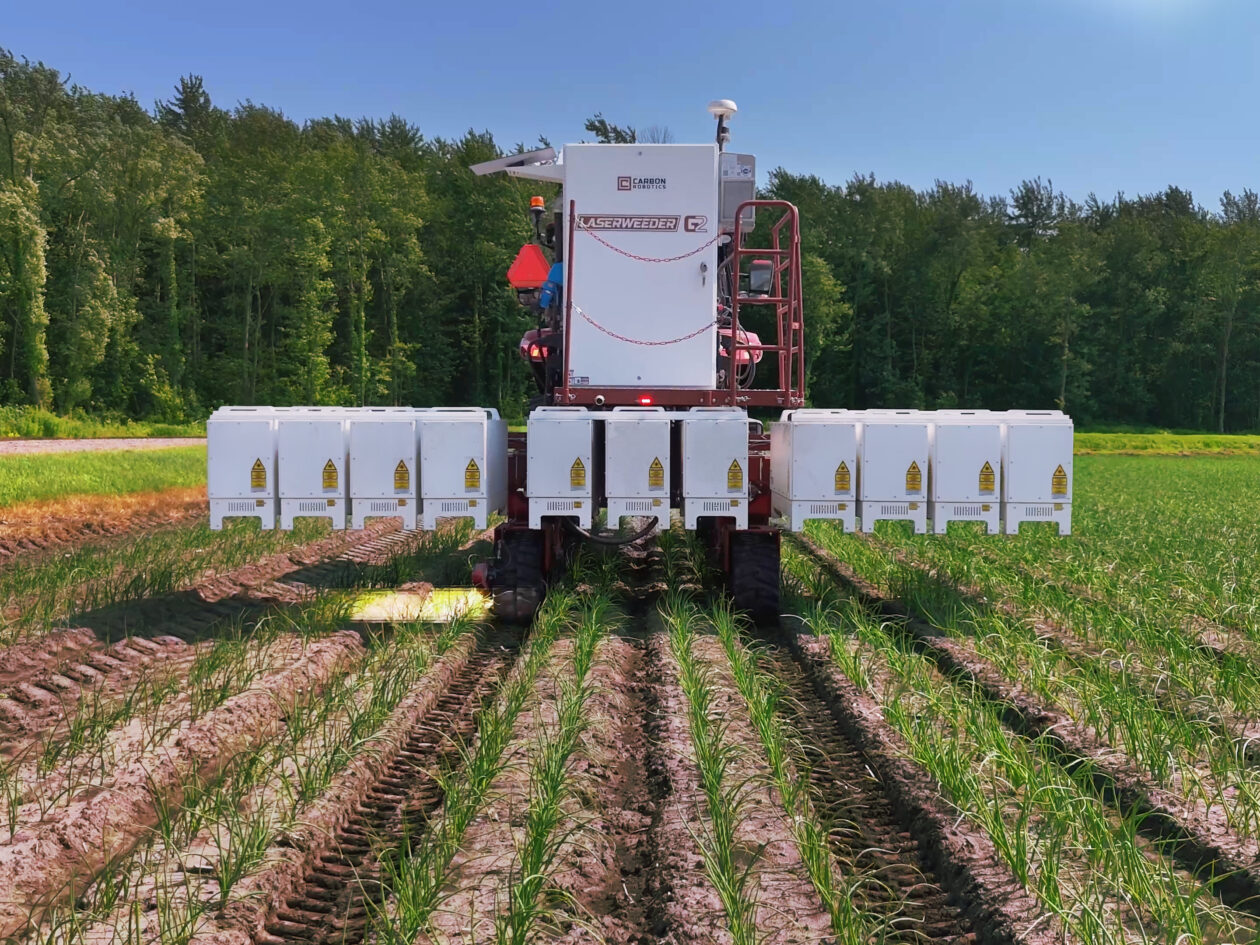
A new initiative from the Washington State Academy of Sciences called Growing with AI will bring together the state’s tech giants and diverse farming community to tackle pressing challenges in the agriculture industry.
December 30, 2025
14 WSAS members are among 2,670 US researchers on Clarivate's 2025 highly cited researchers list.
