
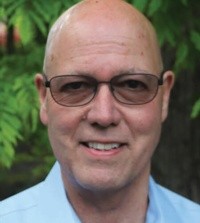
BRAD COLMAN
Director of Weather Strategy (retired), Bayer/The Climate Corporation
Brad R. Colman served as Director of Weather Strategy for Bayer/The Climate Corporation (retired 2022) where he oversaw and guided the design and execution of the Bayer global enterprise weather programs. Most recently, Dr. Colman served as President of the American Meteorological Society (AMS; 2023). Before joining Bayer/Climate, Brad worked on a new Microsoft consumer weather service team to consolidate and deliver weather information across the entire Microsoft ecosystem. Previously, Colman had a diverse career with the National Oceanic and Atmospheric Administration (NOAA) where he worked, among other locations, at The National Weather Service’s forecast office in Seattle, Washington; He was also the Acting Director of NOAA’s Meteorological Development Laboratory in Silver Spring, Maryland. Colman is a member and Fellow of the AMS, a member of the Washington State Academy of Sciences, and vice-chair of the NOAA’s Science Advisory Board. He also serves as the chair of the National Academies’ Board on Atmospheric Sciences and Climate. Colman received a B.S. in Earth sciences and mathematics from Montana State University and an Sc.D. in atmospheric sciences from the Massachusetts Institute of Technology.
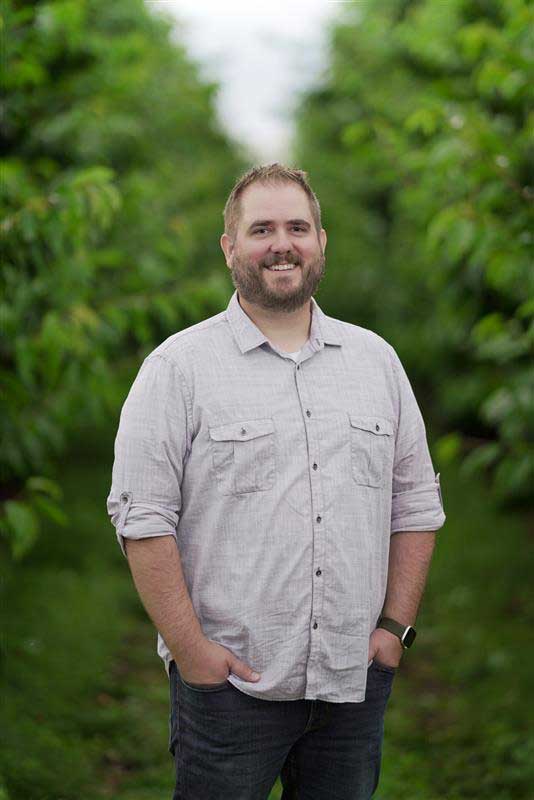
JONATHAN COX
VP Science and Technology, Double Diamond Fruit
Jonathan is a scientist, consultant, and entrepreneur with over 15 years of experience working directly with farmers across diverse production systems. He holds a PhD in analytical chemistry and currently serves as Vice President of Science and Technology at Double Diamond Fruit and advises several startups. He also serves on the postharvest and horticulture committee for the Washington State Tree Fruit Research commission. His work spans soil and plant diagnostics, fertilizer and input optimization, postharvest fruit storage, and data-driven decision support. His experience includes applied research and commercial advisory work in the Pacific Northwest and he recently spent 2025 living abroad in Kyrgyzstan advising farmers in Central Asia while developing and testing AI-enabled tools for input optimization. Jonathan is currently focused on integrating AI across vertically integrated systems from grower to shipper to improve efficiency, profitability, and sustainability. This year he is putting theory into practice by establishing his own cherry orchard on the Royal Slope of eastern Washington.
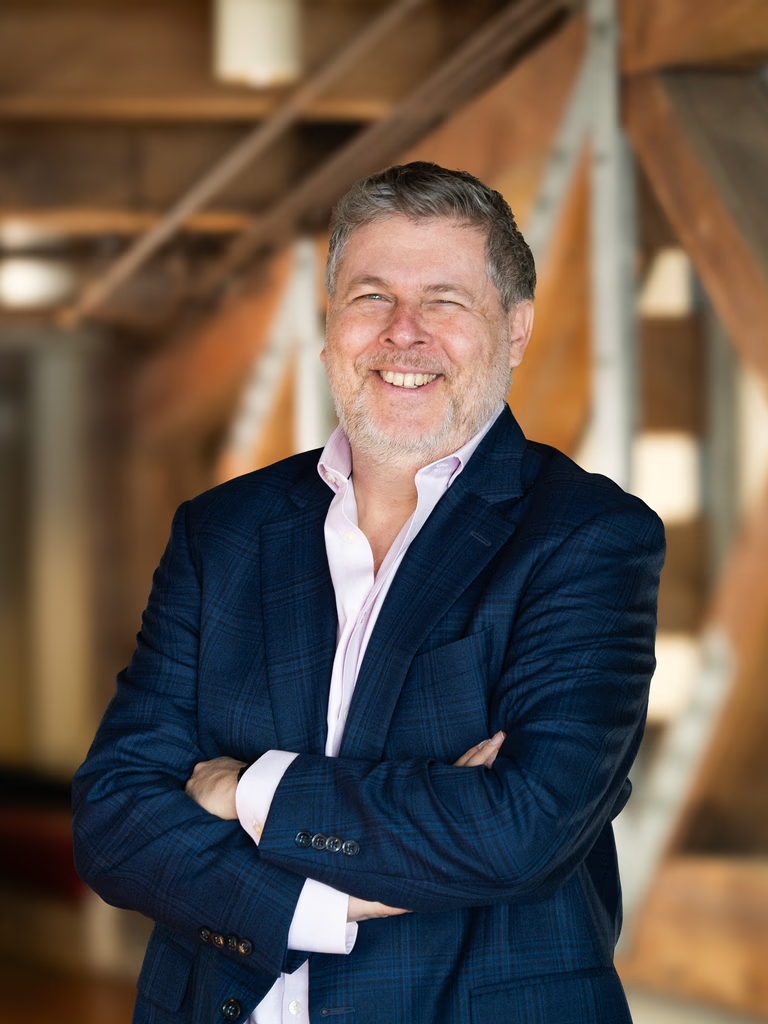
OREN ETZIONI
Technical Director, AI2 Incubator; Professor Emeritus, University of Washington
Oren is the founder of the AI2 Incubator, and the founding CEO of the Allen Institute for AI (Ai2), which he led from 2013 to 2022, and Professor Emeritus of Computer Science at the University of Washington. A pioneer in applied AI, he has authored 200+ technical papers and founded multiple companies, including MetaCrawler, Farecast (acquired by Microsoft), and Decide.com (acquired by eBay). Oren has advised the White House, written for The New York Times and Nature, and shaped AI policy and research agendas globally. At the incubator, he helps founders bridge the gap between frontier research and commercial opportunity.
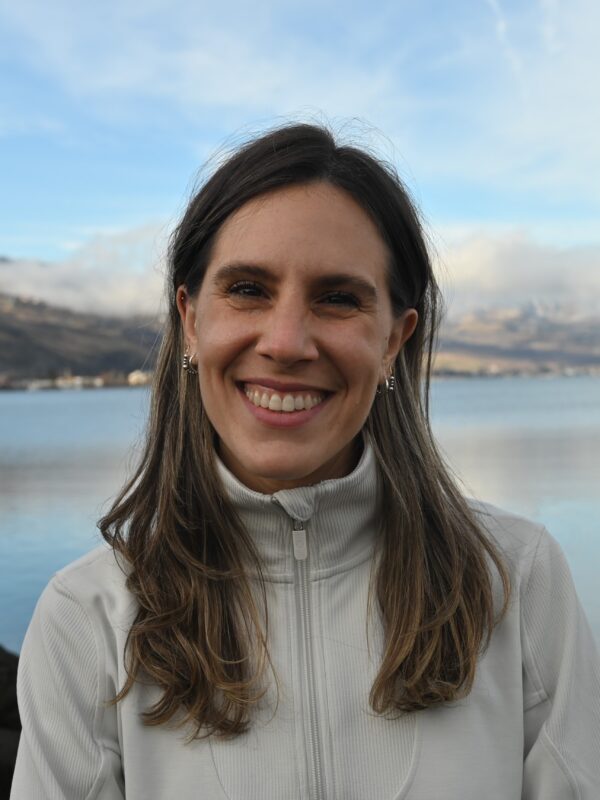
DANI GELARDI
Senior Soil Scientist & Climate Coordinator, Washington State Department of Agriculture
Dani Gelardi is the Senior Soil Scientist and Climate Coordinator at the Washington State Department of Agriculture, where she leads soil and climate efforts including the Washington Soil Health Initiative and Climate Resilience Planning for Washington Agriculture. She is also Adjunct Faculty at Washington State University in the Department of Crop and Soil Sciences. Dani received her PhD in Soils and Biogeochemistry at UC Davis, as a Foundation for Food and Agriculture Research (FFAR) Fellow.
INES HANRAHAN
Executive Director, Washington Tree Fruit Commission
Ines Hanrahan, Ph.D. is the Executive Director of the Washington Tree Fruit Research Commission (WTFRC). She provides administrative leadership to the organization, oversight of the WTFRC staff, and contributes to strategic planning for the WTFRC. Ines strives to ensure all funding is geared towards investments in industry priority areas to enable increased productivity, improved product quality and to help growers stay economically viable in a globally competitive marketplace. She is committed to fostering vibrant public-private partnerships with tree fruit scientists worldwide, is highly dedicated to connecting with the next generation of industry professionals, both as a mentor and as an industry leader, and to setting a positive example for an increasingly diverse global work force. Her interest in farming is not only part of her roots, education, and work. Her family owns and operates a commercial tree fruit orchard in the Yakima valley that produces cherries, pears and apples. Ines received her Ph.D. in Horticulture from Washington State University.
MIEL HOSTENS
Robert and Anne Everett Endowed Associate Professor of Digital Dairy Management and Data Analytic, Cornell University
Miel Hostens is the Robert and Anne Everett Associate Professor of Digital Dairy Management and Data Analytics in the Department of Animal Science and a visiting professor at Ghent University’s Lab for Animal Nutrition and Animal Product Quality. He focuses on the creation of methodologies using precision dairy farming to monitor sustainable food production systems from a global perspective.
Miel has a strong personal vision around the need for more data-driven dairy science through research and industry collaborations. He has been involved in multiple projects on data-driven agriculture and precision dairy farming in various countries around the world. The Hostens lab focuses on developing data-driven dairy science with the goal of eventually contributing to sustainable food production systems from a global perspective. In 2013, a prototype of an analytical data pipeline and data warehouse architecture he had developed during his PhD was acquired by Delaval, one of the largest milking equipment manufacturers in the world, which was subsequently merged into DairyDataWarehouse.com.
SCOT HULBERT
Regents Professor and Cook Endowed Chair for Cropping Systems Pathology, Department of Plant Pathology, Washington State University
Dr. Scot H. Hulbert spent most of his career trying to find ways to protect food plants from diseases: either through genetic resistance, interfering with the basis of pathogenicity, or manipulating crop management. He has spent the last 8 years as the Associate Dean of Research at Washington State University College of Agriculture Human and Natural Resource Sciences. He received his B.S. degree in horticulture from Washington State University, and his M.S. in vegetable crops, and Ph.D. in genetics from the University of California at Davis in 1987. He accepted a postdoctoral fellowship in biological sciences at Purdue University before joining the faculty of the Department of Plant Pathology at Kansas State University in 1989. In 2006, Hulbert joined Washington State University as an Endowed Chair of Cropping Systems Pathology.
ANANTH KALYANARAMAN
Director, AgAID Institute; Professor and Director of the School of the Electrical Engineering and Computer Science, Washington State University
Ananth Kalyanaraman is a Professor, Boeing Centennial Chair in Computer Science, and the Interim Director for the School of Electrical Engineering and Computer Science, Washington State University in Pullman. He is the Director of the NSF-USDA NIFA funded AgAID AI Institute for Transforming Workforce and Decision Support in agriculture. He holds a joint appointment at Pacific Northwest National Laboratory (PNNL), and affiliate faculty positions at the Molecular Plant Sciences Graduate Program and the Paul G. Allen School for Global Health. Ananth received his bachelors from Visvesvaraya National Institute of Technology in Nagpur, India (B.E. in Computer Science and Engineering, 1998); and subsequently M.S. (Computer Science, 2002) and Ph.D. (Computer Engineering, 2006) from Iowa State University.
Ananth works at the intersection of parallel computing, graph analytics, and bioinformatics/computational biology. His focus is on developing algorithms and software for scalable analysis of large-scale data from various scientific domains and particularly agriculture, plant and life sciences. Research in his lab has been supported by various funding sources including the National Science Foundation (NSF), U.S. Department of Energy (DOE), U.S. Department of Agriculture (USDA), and the Center for Disease Control and Prevention (CDC). Ananth is a recipient of U.S. Department of Energy Early Career Research Award, and his student-led research works have received multiple conference best paper awards and a prestigious graph challenge award. Ananth serves/has served on the editorial boards of several reputed journals (including TPDS, TCBB, JPDC, ParCo), and also regularly serves in various capacities including organizational capacities at various conferences in the areas of parallel processing and bioinformatics. He is currently serving as a Vice-Chair for the IEEE Technical Committee on Parallel Programming (TCPP). Ananth is a senior member of IEEE, and a member of ACM and SIAM.
LAV KHOT
Professor of Precision Agriculture, Washington State University
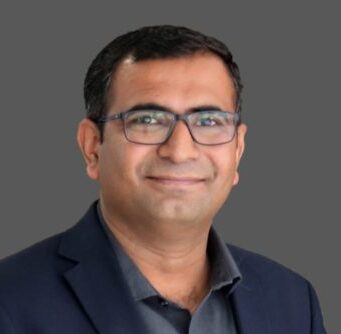
Dr. Lav R. Khot is the Director of AgWeatherNet and Professor of Precision Agriculture at CPAAS, Washington State University. Under his leadership, AgWeatherNet is undergoing a major infrastructure upgrade to establish a mesoscale weather sensing network in the state of Washington. This network provides crucial weather data and decision support, enhancing the resilience of Washington’s agriculture, animal, and human health systems. His research and extension program in precision agriculture focuses on integrating advanced sensing and automation technologies to improve the efficiency of irrigated and tree fruit crop production.
Dr. Khot is playing a leadership role in bringing AI-driven tools in Washington agriculture through the USDA-NIFA funded AgAID Institute, where he co-leads the Farm Operations Intelligence thrust efforts. He is also leading collaborative efforts that has established the first-of-its-kind public-private partnership-driven ‘Smart Apple Orchard Testbed‘ in commercial settings for effective smart ag-tech evaluation and grower education. He continues to serve as an Associate Editor of the Journal of American Society of Agricultural and Biological Engineering (ASABE) and has co-organized a special session at the IEEE MetroAgriFor past few years. His programmatic efforts at WSU have been recognized with the 2024 Early Career Excellence Award and the 2024 Team Interdisciplinary Award, as well as the ASABE Educational Aids Blue Ribbon Award, Outstanding Associate Editor, Superior Paper Awards, among others. He is also recipient of Fruit + Vegetable 40 Under 40 (Class of 2021 from Fruit Growers News), and the 2018 New Innovator in Food and Agriculture Research Award from Foundation for Food and Agriculture Research.
STEVE MANTLE
Founder & CEO, innov8.ag
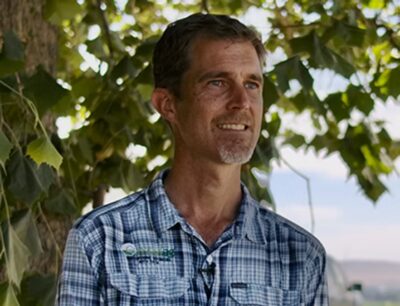
Steve is the founder of innov8.ag, a Walla Walla Washington-based agtech startup and Microsoft-partnered company. Prior to embarking on the startup, Steve spent 12 years at Microsoft where he most recently focused on Microsoft’s fastest growing product line, Azure Cloud. His leadership skills contributed to growing Azure from a $100M to a $10B+/year business over 6 years. After his time spent at the Microsoft headquarters in Seattle, Steve decided to relocate his family of four to Walla Walla, Washington, in the summer of 2018. He envisions this location as the perfect base for ag startups given the convergence of progressive farmers and three colleges with strengths in agriculture, engineering, science, established ag manufacturers, strong connectivity providers, and a highly collaborative business climate. An Australian by birth, Steve has his MBA from the University of Washington.
KELLY McCLAIN
Assistant Director, Agricultural Environmental Services Division, Washington State Department of Agriculture
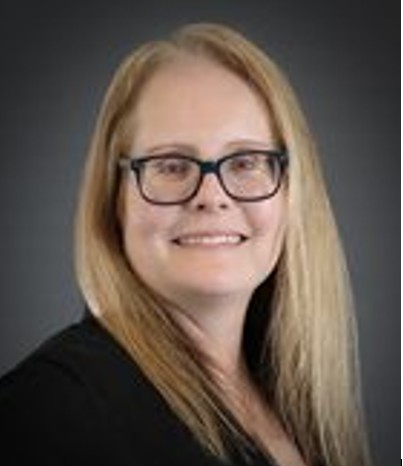
Kelly was appointed assistant director of the Agricultural Environmental Services Division in March 2024, and has worked at WSDA since 2009. This division consists of 7 programs and more than 100 staff focused on pesticide and fertilizer regulation, training, pesticide applicator licensing, nutrient management, natural resources and agricultural sciences, and cannabis. Prior to this role, Kelly spent 6 years as a policy advisor and legislative liaison in the Director’s Office, and served as a senior scientist at WSDA from 2009-2018. Her career in public service also includes 5 years at the Department of Ecology and 2 years in local government. Kelly has a bachelors degree in environmental science and a masters degree in environmental science and policy from The Evergreen State College.
AMY McGOVERN
Lloyd G. and Joyce Austin Presidential Professor, School of Meteorology and the School of Computer Science, University of Oklahoma
Director, NSF AI2ES
Lead AI and Meteorology Strategist – Advisor, Brightband
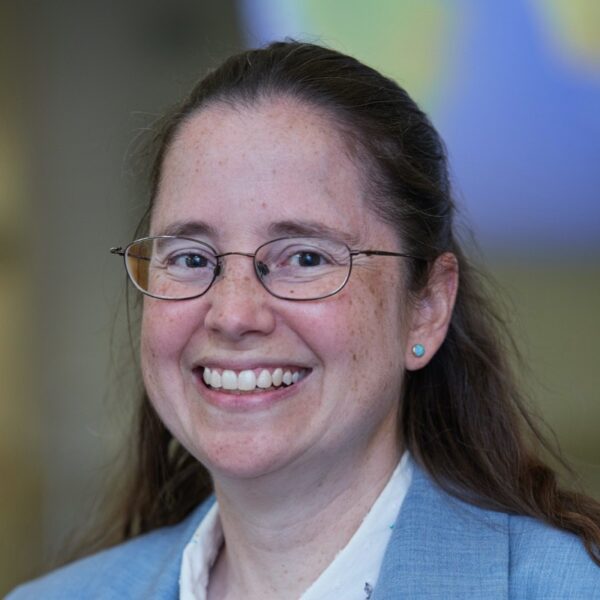
Amy McGovern is the Director of the National Science Foundation Artificial Intelligence (AI) Institute for Research on Trustworthy AI in Weather, Climate, and Coastal Oceanography (AI2ES). AI2ES is a convergent, multi-sector NSF Trustworthy AI institute led by the University of Oklahoma that brings together researchers in AI, atmospheric science, ocean science, and risk communication to create novel trustworthy AI techniques that improve our ability to understand, predict, and communicate high-impact weather. She is a fellow of the American Meteorological Society and member of the National Academies Board on Atmospheric Sciences and Climate. McGovern received a B.S. in math and computer science from Carnegie Mellon University, and an M.S. and Ph.D. in computer science from the University of Massachusetts Amherst.
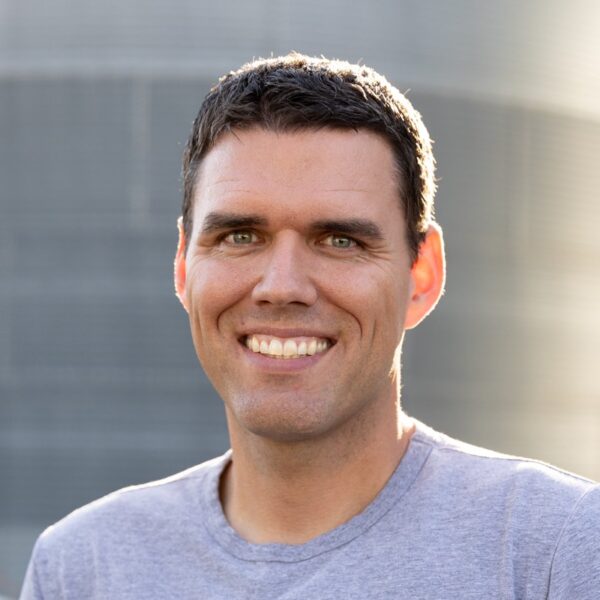
ANDREW NELSON
Software Engineer and Farmer
Andrew Nelson is a fifth-generation farmer and a software engineer who runs Nelson Farms, Inc. and Silver Creek Farms, Inc. in the Palouse region of eastern Washington, USA. He produces wheat, garbanzo beans, peas, lentils, canola, and barley on 7,500 acres of land. He is also a software engineer at University of Washington, a consultant for Ag Tech startups, and an early adopter of new technologies such as drones and sensors to improve efficiency, reduce input costs and boost yields on his farm. He has conducted hundreds of experiments and pilots with various technologies to optimize his farming operations and make better management decisions. He is passionate about precision agriculture and sustainability and believes that technology is the key to profitability and environmental stewardship.
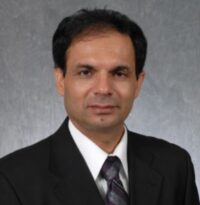
SHYAM SABLANI
Director, Washington State Department of Agriculture
Shyam Sablani is a Professor of Food Engineering at Washington State University. He received his B.E. in Mechanical Engineering from the National Institute of Technology, Raipur, his M.S. in Mechanical Engineering from the Indian Institute of Technology, Madras, and his Ph.D. in Food Engineering from McGill University, Canada. His current research interests include developing sustainable polymer packaging for food applications, advancing food manufacturing technologies to improve safety and quality, digital twins for food supply chain management. Dr. Sablani’s research has led to the development of next-generation barrier packaging that incorporates ethylene vinyl alcohol, metal oxide–coated polyethylene terephthalate, and oxygen scavengers.
Dr. Sablani is a member of the Society of Food Engineering, the Institute of Food Technologists, the Flexible Packaging Association, the International Association of Food Protection, and the International Society of Food Engineering. He has secured more than US$10 million in competitive extramural funding to support his research program and published over 280 peer-reviewed journal articles. He is the recipient of several prestigious awards, including the 2016 Institute of Food Technologists (IFT) Marcel Loncin Research Prize, the 2018 Faculty Excellence in Advising Award, the 2021 Frozen Food Foundation Freezing Research Award, the 2024 Yang Liu Award for Teaching International Students, and the 2024 CAHNRS/WSU Faculty Excellence in Research Award.
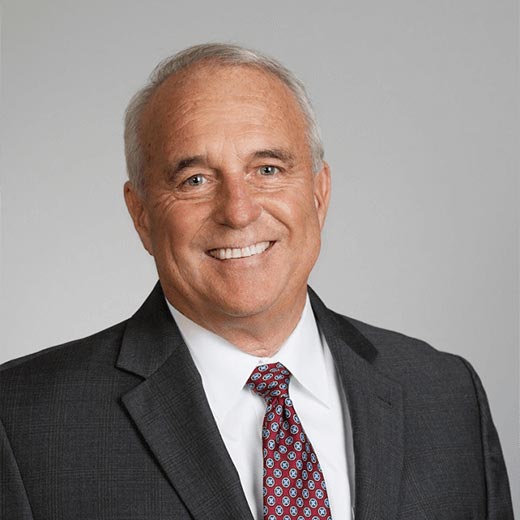
DEREK SANDISON
Director, Washington State Department of Agriculture
Derek I. Sandison was appointed Washington State Department of Agriculture (WSDA) director in June 2015, where he continues to strengthen both Washington’s food and agriculture systems nationally and internationally. In the agriculture industry and beyond, he applies a solution-oriented approach to issues. Along with serving as director of WSDA, Derek currently serves on the National Association of State Departments of Agriculture (NASDA) Executive Board as the Second Vice President. He is also the immediate past president for the Western United States Agricultural Trade Association (WUSATA). A lifelong Washington resident, Sandison has worked in the private and public sectors for over 49 years. Before his appointment with the WSDA, he served as director of the state’s Office of Columbia River (OCR) within the Department of Ecology between 2008 and 2015. During that time, he developed and laid the groundwork for the future development of new large-scale water projects for cities, farms, and fish. Prior to his service with OCR, he was the Central Regional Director for the Department of Ecology. Sandison has a Master of Science in natural resource management and a bachelor’s degree in biological science, both from Central Washington University.
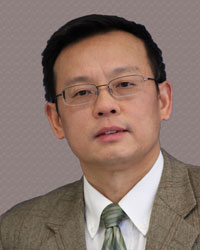
JUMING TANG
Frank Jungers Endowed Chair, Department of Industrial & Systems Engineering, University of Washington
Dr. Juming Tang was a Regents Professor at Washington State University. He is a member of US National Academy of Engineering and fellow of US National Academy of Inventors. Over the past 30 years, he conducted research on food dehydration, advanced thermal processing based on microwave and radio frequency energy, pathogen controls in low moisture foods, and non-chemical post-harvest pest control using electromagnetic energy. He has educated over 50 PhD students, trained over 50 post-doctorate fellows and visiting scholars. He published over 400 peer-reviewed scientific papers. His research has led to 15 US and international patents licensed for global commercialization of 915 MHz microwave thermal processing systems. He directed two industrial consortia with members representing US Army Natick Soldier Center, Seafood Product Association, and major food and packaging companies including Kraft, General Mills, Nestle, Pepsi-Cole, Printpack, Mars, and Ocean Beautify Seafoods. These efforts have led to the development of 915 MHz Microwave Assisted Thermal Sterilization (MATS) technology for commercial production of shelf-stable meals, with acceptance from US FDA and non-objection from USDA FSIS. He directed the Center of Excellence for Food Safety supported by USDA National Institute of Food and Agriculture, leading to the development of 915 MHz microwave assisted pasteurization systems (MAPS) for control of bacterial and viral pathogens in frozen and chilled ready-to-eat meals. He is a member of Washington State Academy of Sciences and a Fellow of International Microwave Power Institute, American Society of Agricultural and Biological Engineers, and Institute of Food Technologists.
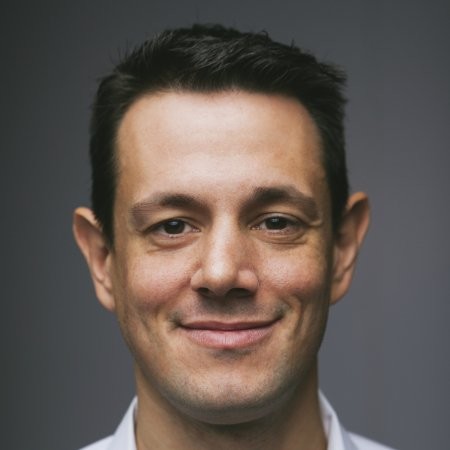
BRAD ZAMFT
CEO & Co-Founder, Heritable Agriculture
Brad Zamft is the CEO of Heritable Agriculture, which combines artificial intelligence, environmentally-sensitive breeding, and gene editing to drive down costs, accelerate the time-to-market, and unlock expansive, high-value market opportunities in the agriculture industry. Prior to Heritable, Brad worked at X, the “Moonshot Factory” of Google’s parent company, Alphabet, where he conceived, initiated, and led the project that would later spin out as Heritable. Prior to Heritable, Brad was the Chief Scientific Officer of TL Biolabs – a startup aimed at DNA diagnostics for the cattle industry. Prior to TL Biolabs Brad made and managed grant programs at the Bill & Melinda Gates Foundation and the US Department of Energy’s Advanced Research Projects Agency (ARPA-E). Brad received his PhD in Physics from the University of California, Berkeley and subsequently conducted postdoctoral research in synthetic biology at Harvard Medical School under the guidance of Prof. George Church.

CLAIRE ZOELLNER
Co-Founder, Director of Data Science, iFoodDS
Claire Zoellner is the Director of Data Science at iFoodDS, using her expertise in microbial contamination, simulation models, and risk assessment to develop and deliver pragmatic, science-based decision support tools for the food industry. Before iFoodDS, Claire held a Postdoctoral Research appointment at Cornell University, working on modeling tools to address the risk of Listeria contamination in frozen foods. Claire holds a B.S. in Food Science and Human Nutrition from the University of Illinois Urbana-Champaign and a Ph.D. in Food Science and Technology with minors in Epidemiology and Systems Engineering from Cornell University.
